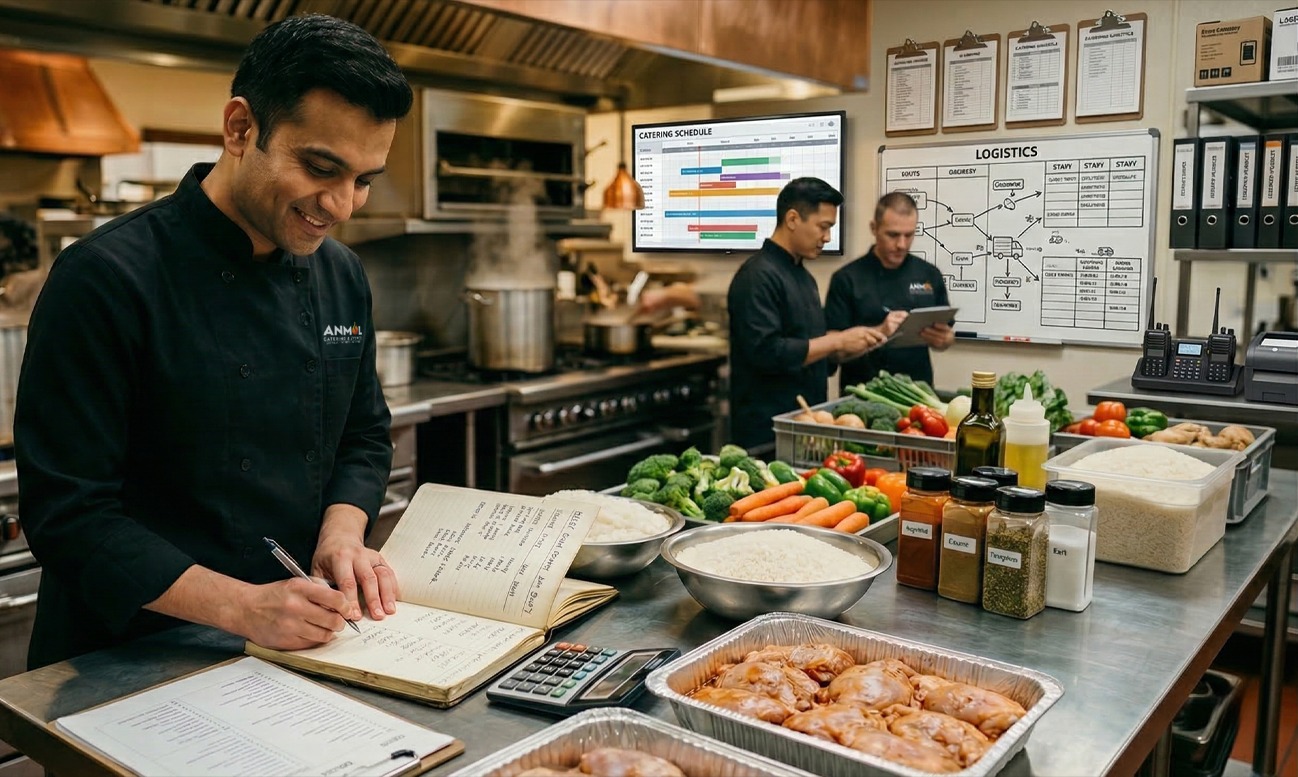
The Question Everyone Asks but No One Sees Happen
Every event host worries about the same thing: Will the food be enough?
That question carries anxiety, pride, and responsibility all at once. Behind the scenes, food quantities aren’t guessed, rushed, or improvised at the last minute. They are shaped by years of experience, patterns, and quiet observation.
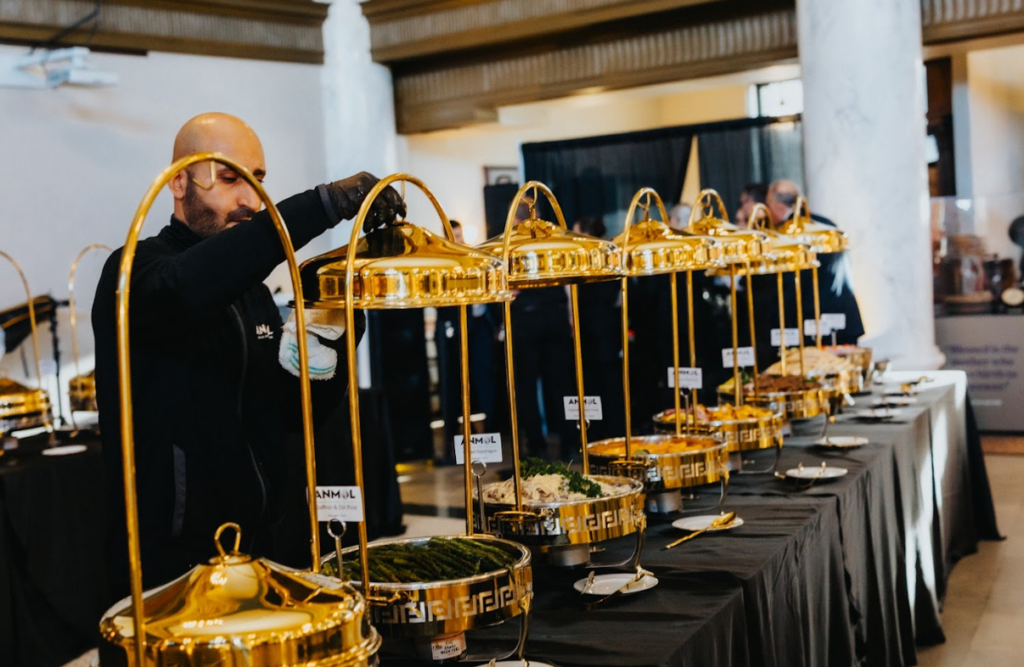
Where These Numbers Actually Come From
People assume portions come from cookbooks or online charts, but the truth is far less generic. These numbers are born from real weddings, real guests, and real plates coming back half-finished. Over time, those moments were captured into a living system that evolves with every event. That’s how catering stops relying on assumptions and starts relying on memory.
How Much Food Is Really Made for One Person
Here’s the number that surprises everyone: we plan about 26.8 oz of food per guest.
But here’s the honest truth right after it; most people don’t eat that much. On average, guests consume between 16 and 21 oz, and the rest exists as a safety net. That margin is what protects events from embarrassment, not excess.
Why People Eat Less Than What’s Served
Some guests arrive hungry, others arrive curious, and some just want a taste of everything. Plates fill quickly, conversations interrupt meals, and appetite quietly fades. No two guests eat the same way, even at the same table. That unpredictability is why portion sizes are planned with care, not hope.
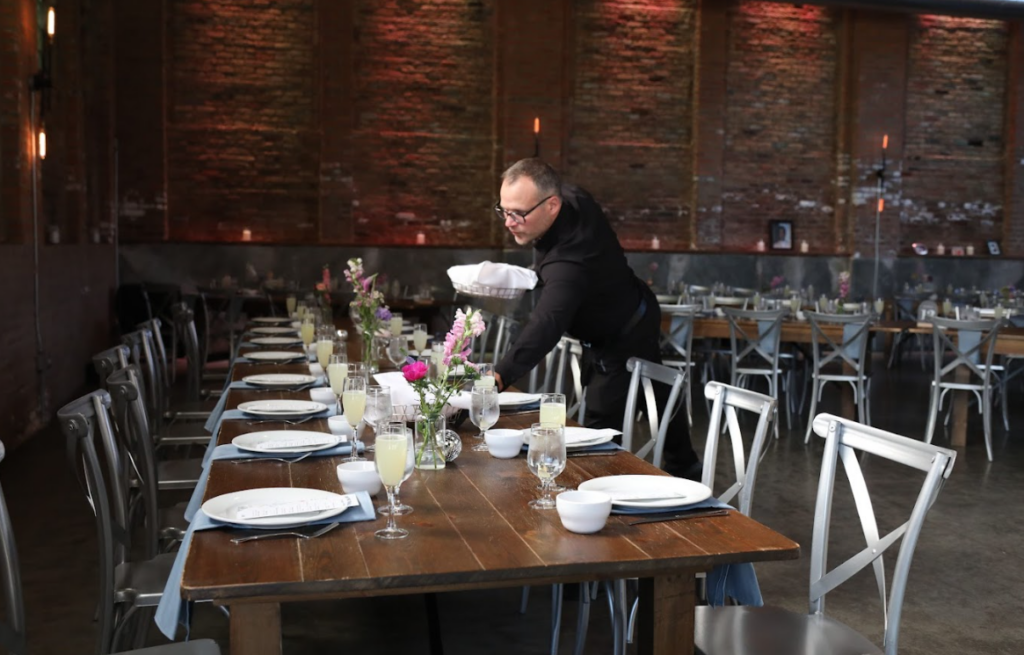
The Quiet Science Behind Menu Balance
Over the years, something interesting started happening on plates. Meat portions slowly increased, while rice and bread naturally stepped back. Not because of trends, but because guests reached for protein first and carbs last. Good menu planning listens to behavior, not theory.
Why Similar Dishes Change the Math
When similar items appear on the same menu, people don’t double their appetite; they divide it. Two curries mean smaller portions of both, not more food eaten overall. That’s when planning becomes smarter instead of bigger. This quiet adjustment is what keeps food waste under control.
What Happens to the Food That’s Left Behind
Leftovers aren’t a mistake; they’re part of the design. Some food stays in trays, some stays on plates, and that difference matters. Tray food is carefully packed, portioned, and returned to clients with intention. That’s how leftovers are handled with respect, not regret.
When More Guests Show Up Than Expected
It happens more often than people admit. Extra guests arrive, chairs are added, and the room fills faster than planned. In those moments, experience takes over and margins tighten quietly. That’s when event catering proves it was built for reality, not perfection.
What One Tray Actually Feeds
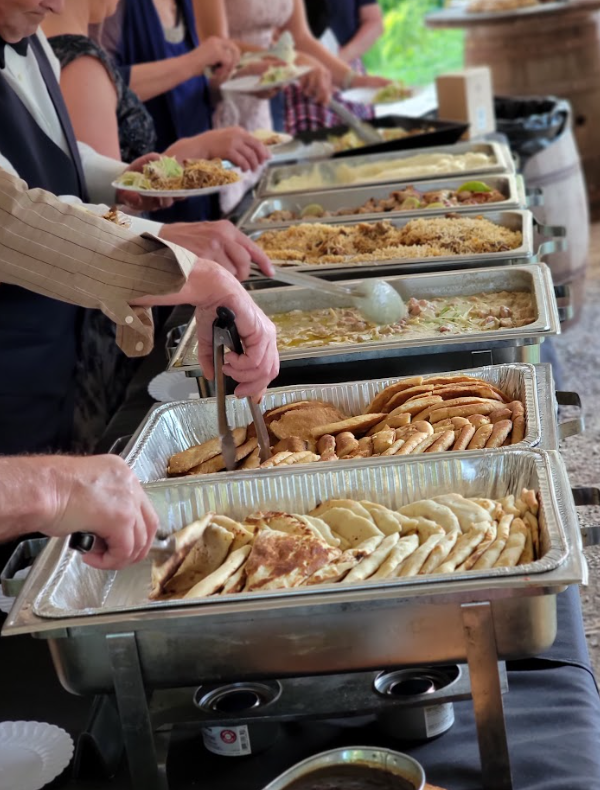
A tray isn’t just a container; it’s a promise. One full tray of rice comfortably serves around 30 guests, while a tray of vegetables or curry stretches closer to 50. BBQ trays land somewhere in between, depending on appetite and pacing. This understanding keeps large events flowing without panic.
The Truth About Feeding 200 People
Feeding 200 guests isn’t about multiplying numbers on a sheet. It’s about predicting people before they arrive and protecting them once they do. Every ounce prepared carries responsibility, not excess. That’s the real heart of event food planning.
Lastly, When No One Notices, You’ve Done It Right
If guests don’t talk about portions, shortages, or waste, the job was done perfectly. Satisfaction is emotional long before it’s physical. The best catering operations are invisible when they succeed. And that silence is never accidental.